

Chinese Chef Knives & Chinese Cleavers
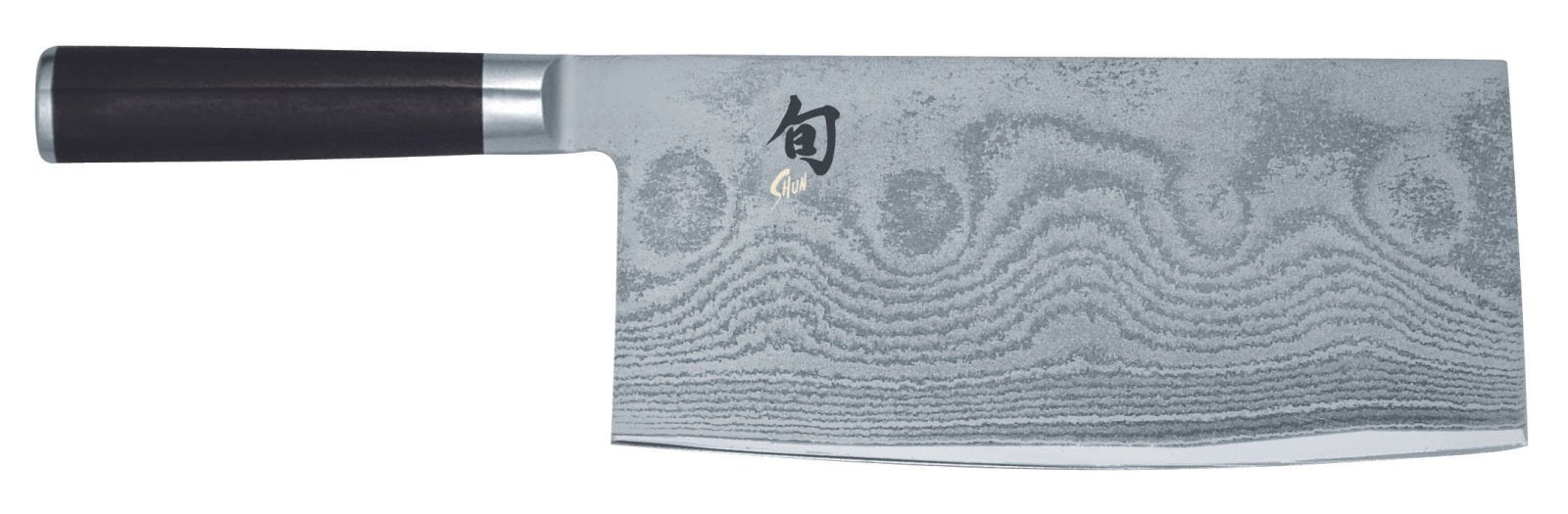
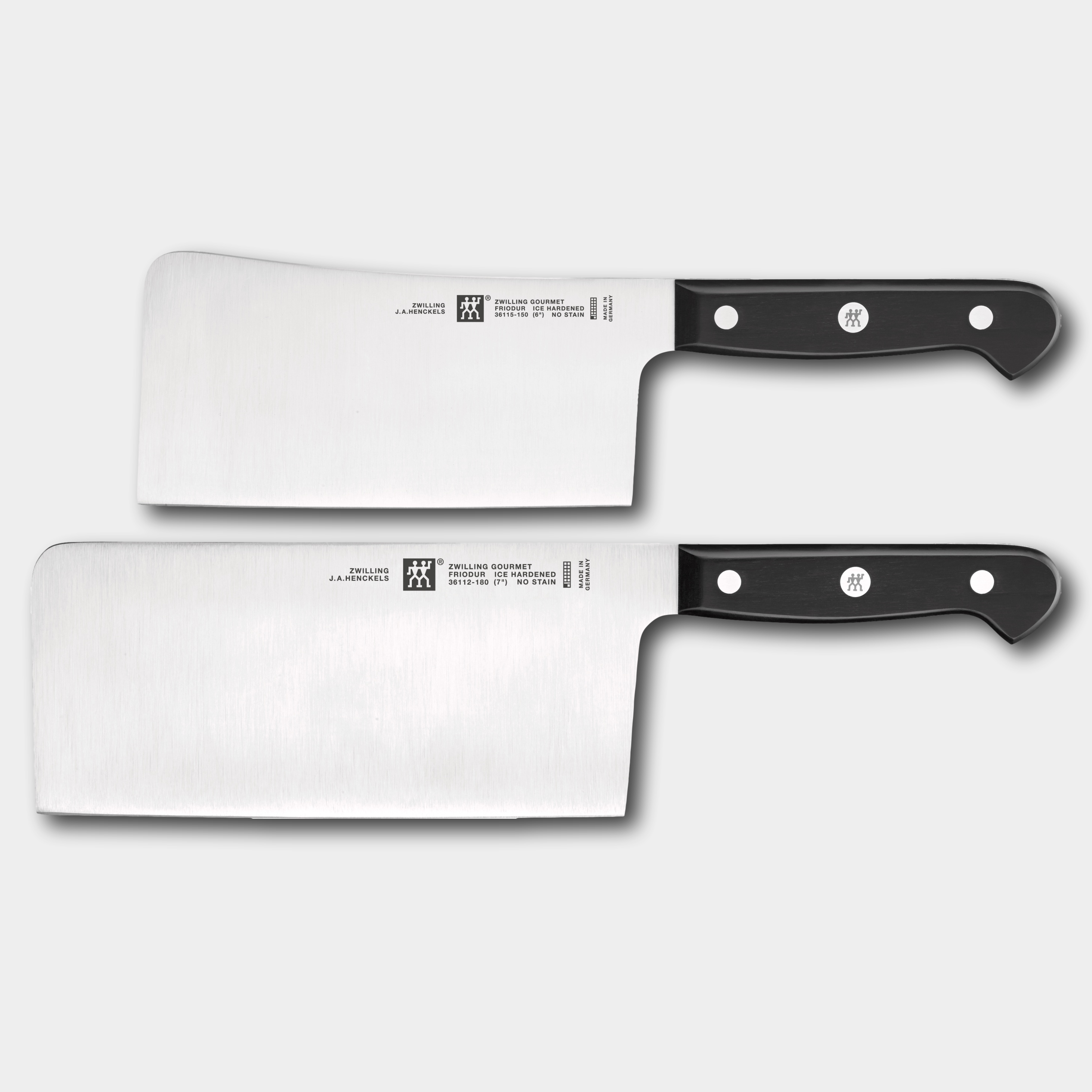
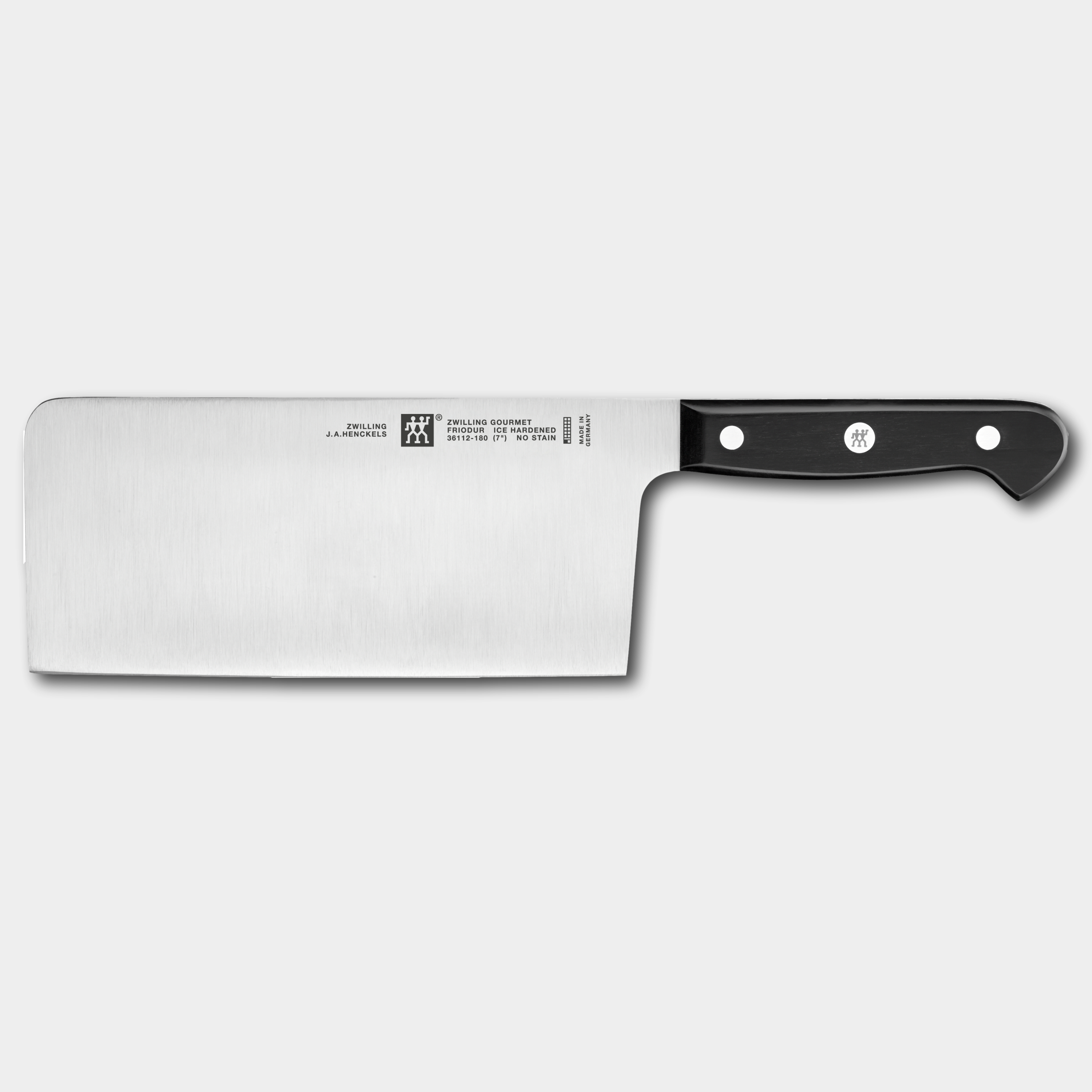
Chinese Chef knives are often referred to as Chinese cleavers. They are not to be mistaken with the traditional heavy meat cleavers. They share the same broad, rectangular shape, but are usually thinner, lighter, and designed for slicing, chopping, and general kitchen prep rather than cutting through bone.
The wide blade gives a Chinese chef’s knife its distinctive practicality. It provides excellent control at the board, allows ingredients to be scooped and transferred easily, and supports a range of cutting techniques from fine slicing to quick chopping. Unlike a standard meat cleaver, which relies on weight and force, a Chinese cleaver is built around balance, agility, and clean cutting performance, making it one of the most useful all-round knives in many kitchens.
Key Features of Chinese Cleaver Knives
- Blade Shapes:Broad rectangular blade offering control, stability, and excellent ingredient transfer.
- Blade Weight: Generally lighter than a traditional meat cleaver, allowing faster, more precise cutting.
- Blade Thickness: Thinner blade geometry designed for slicing and chopping vegetables, herbs, boneless meat, and fish.
- Handling A versatile preparation knife that performs more like a chef’s knife than a heavy-duty cleaver.
- Function A versatile preparation knife that performs more like a chef’s knife than a heavy-duty cleaver.
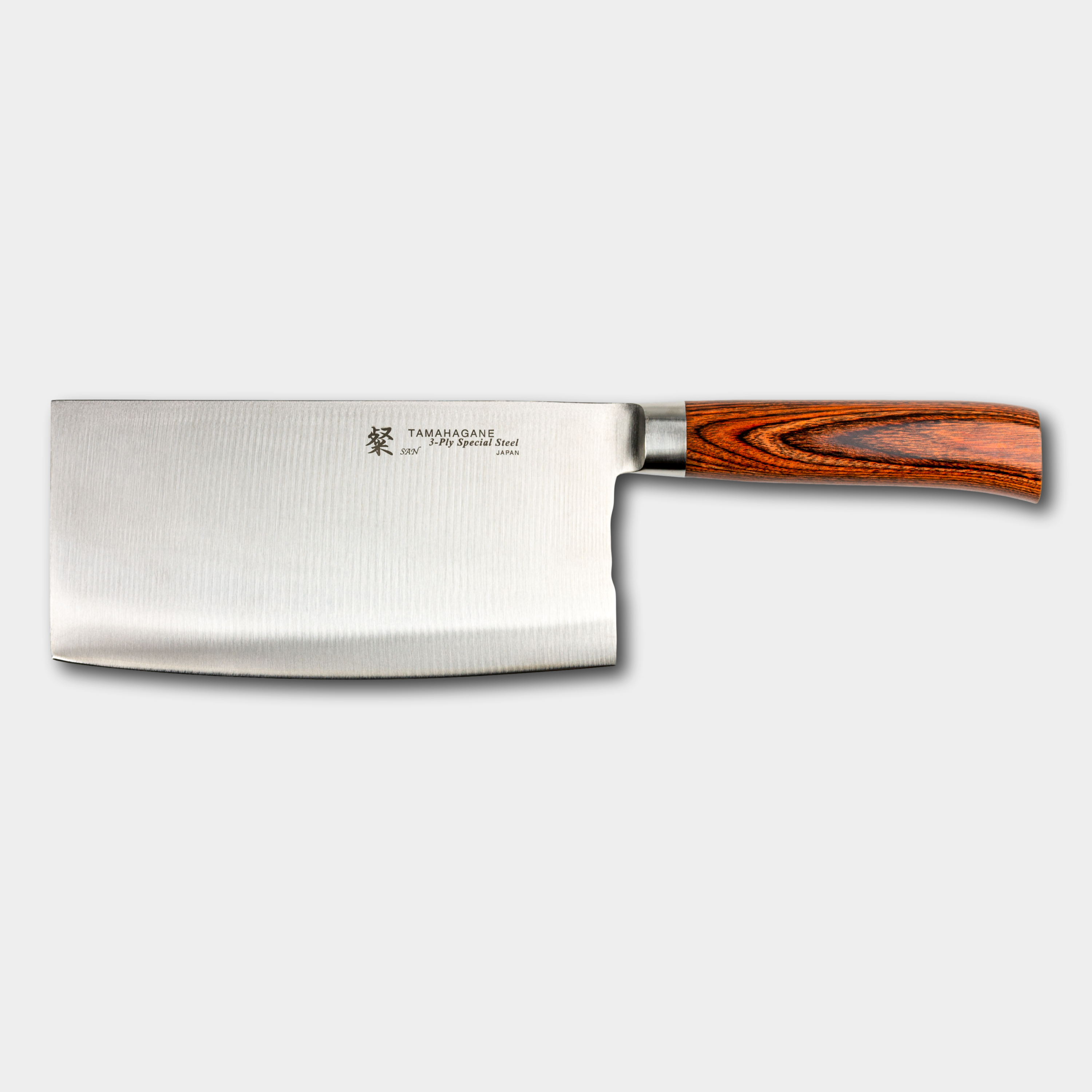
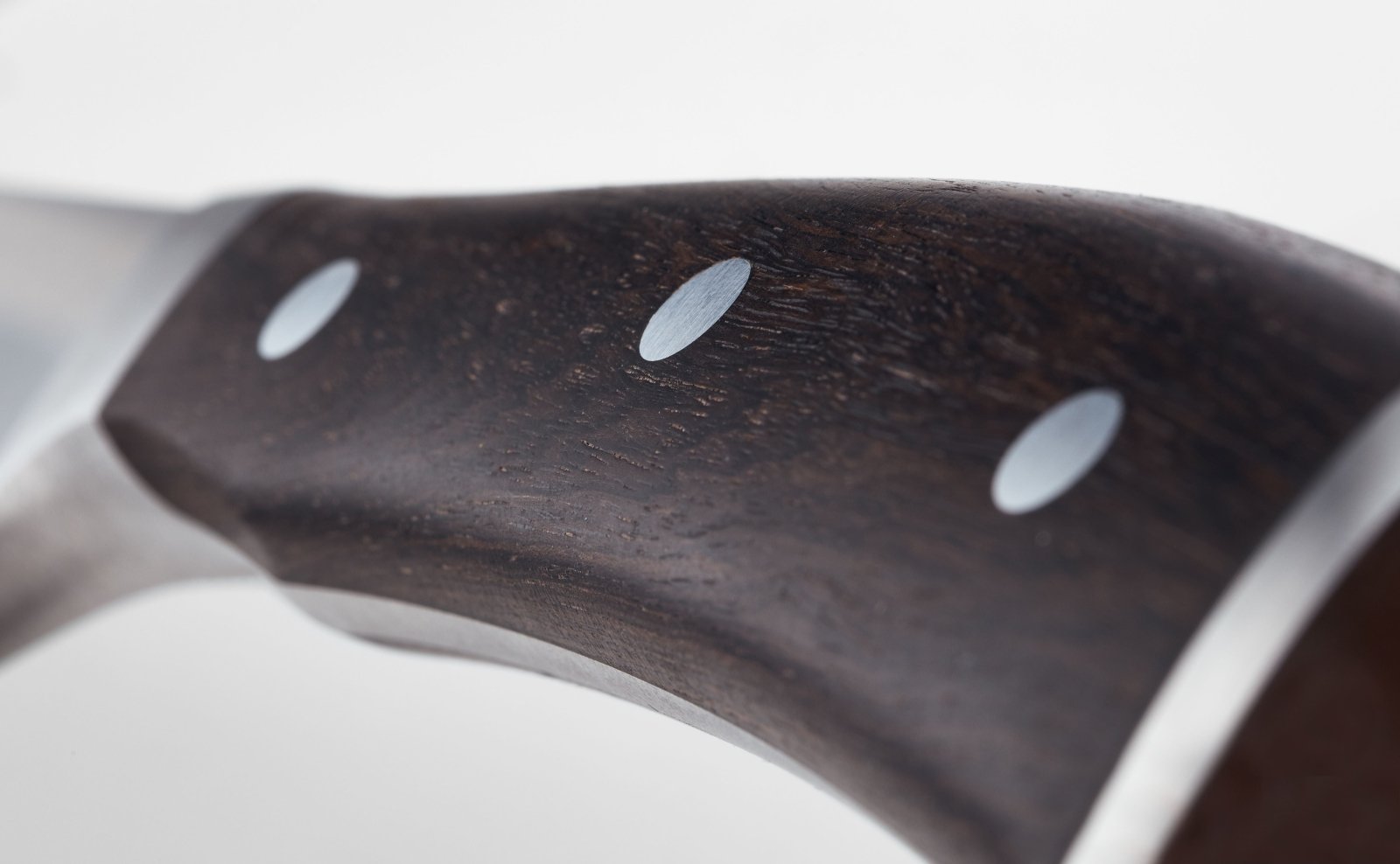
Tamahagane San 18.5cm Chinese Chopper


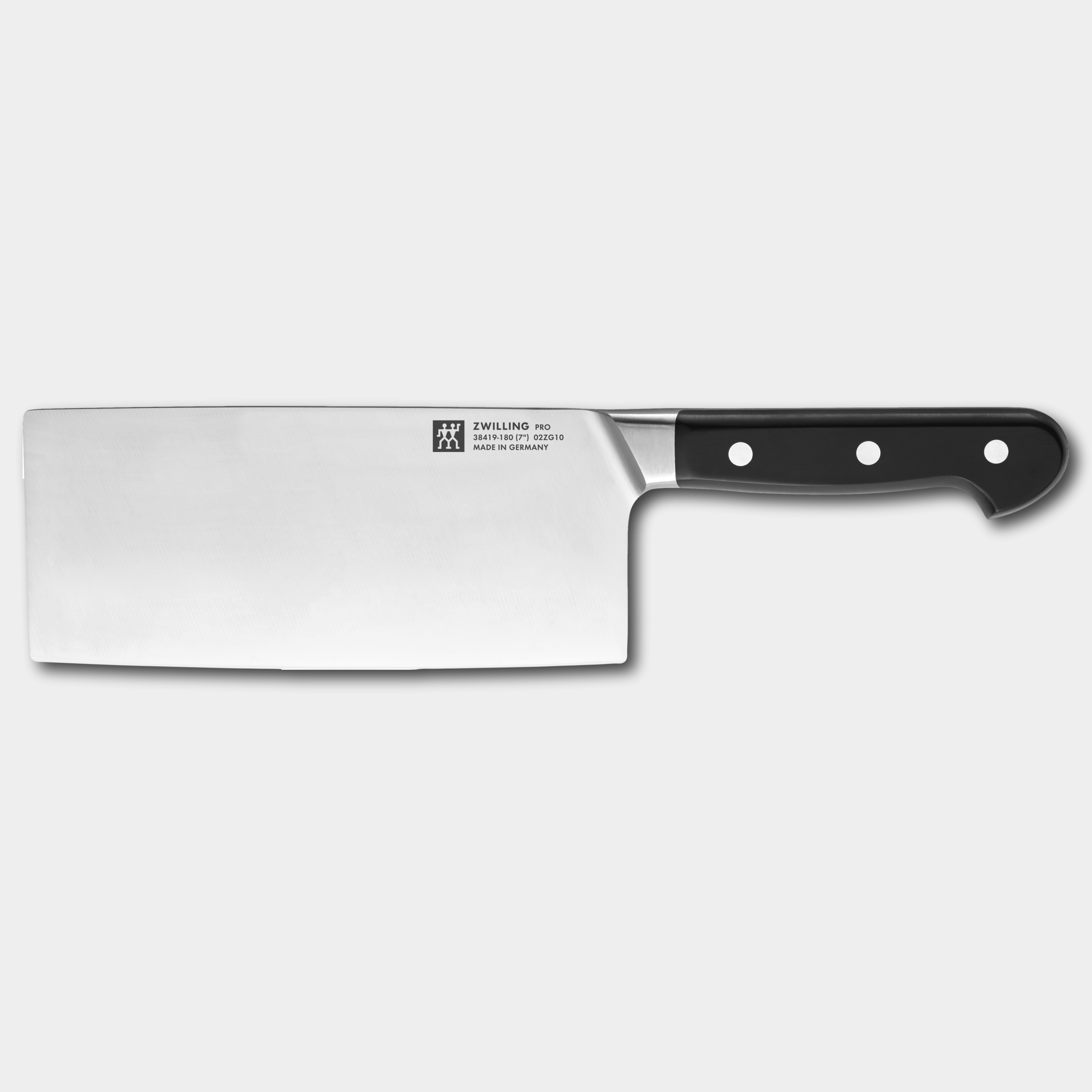
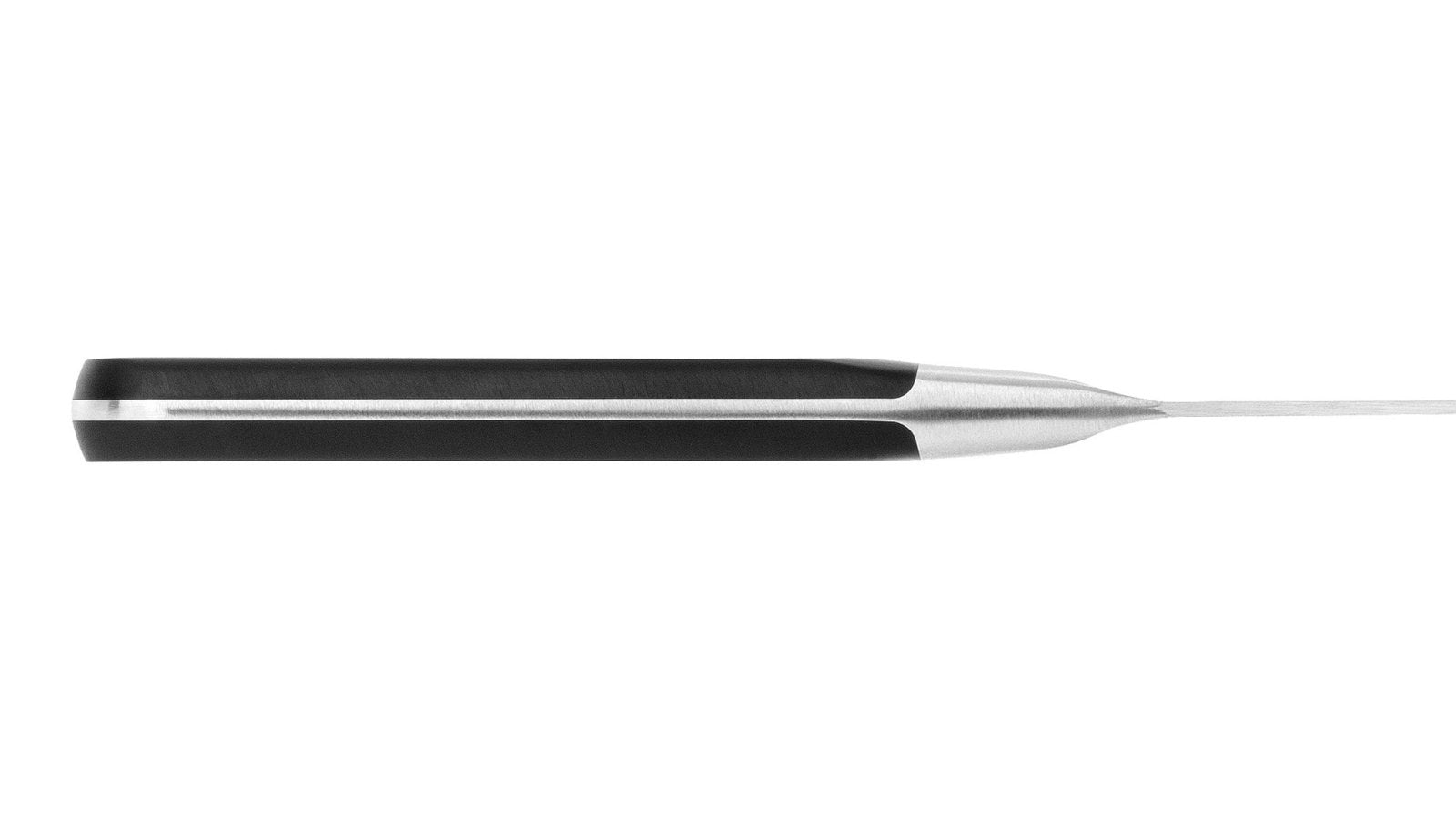
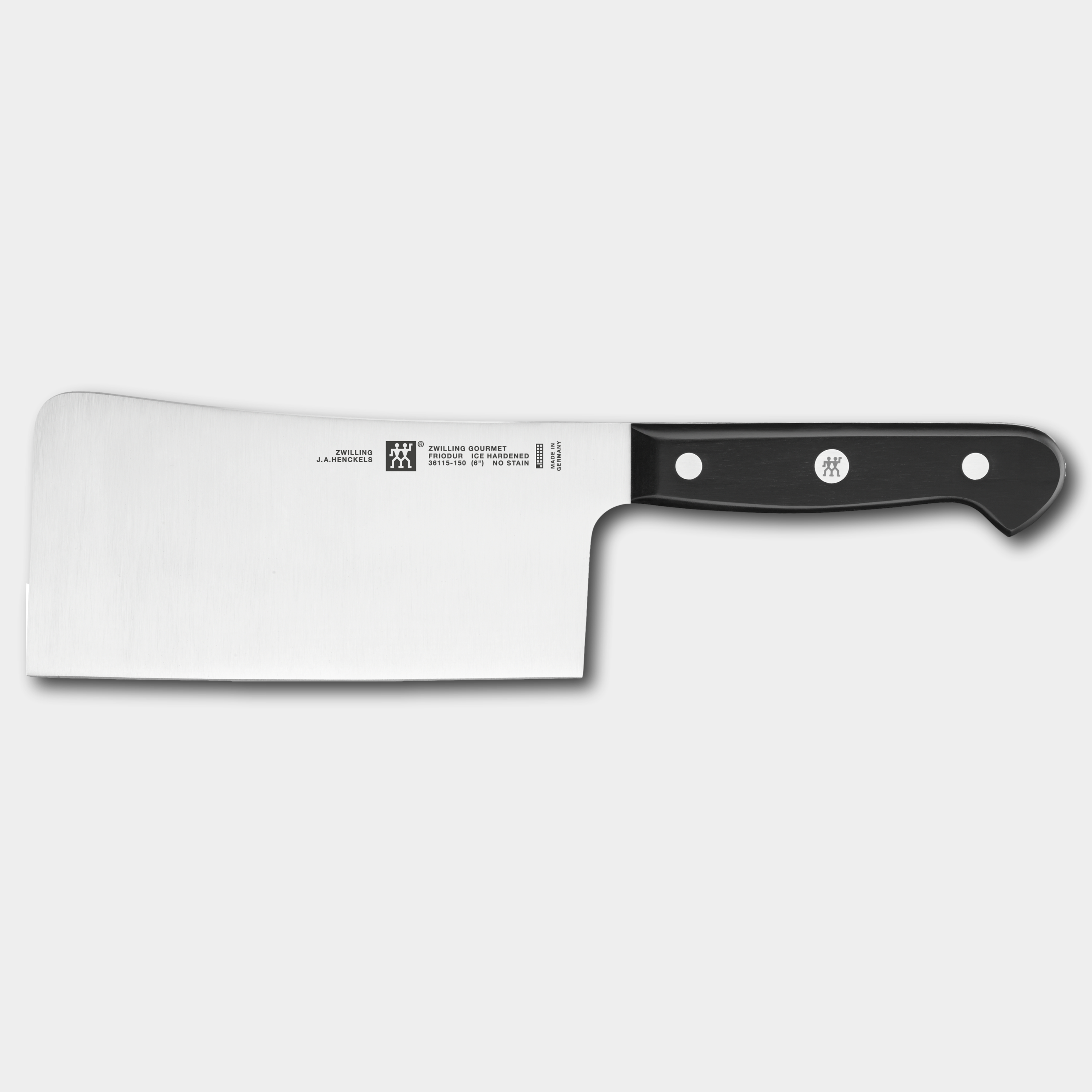
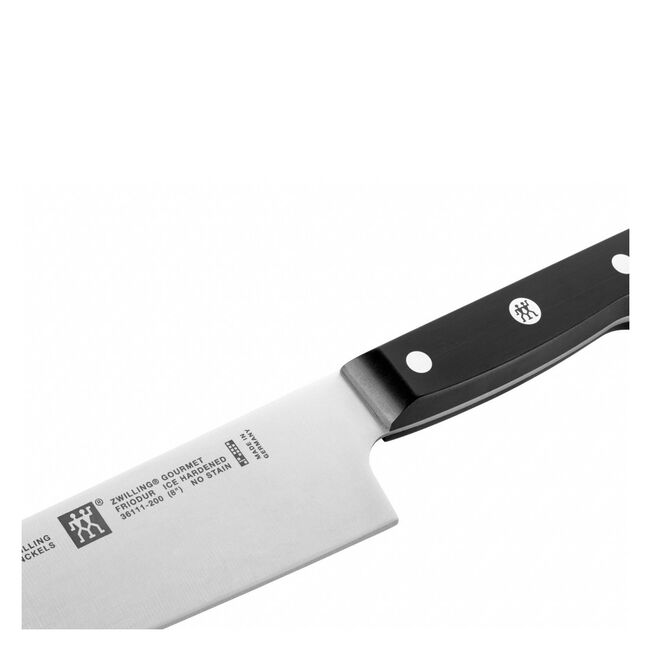
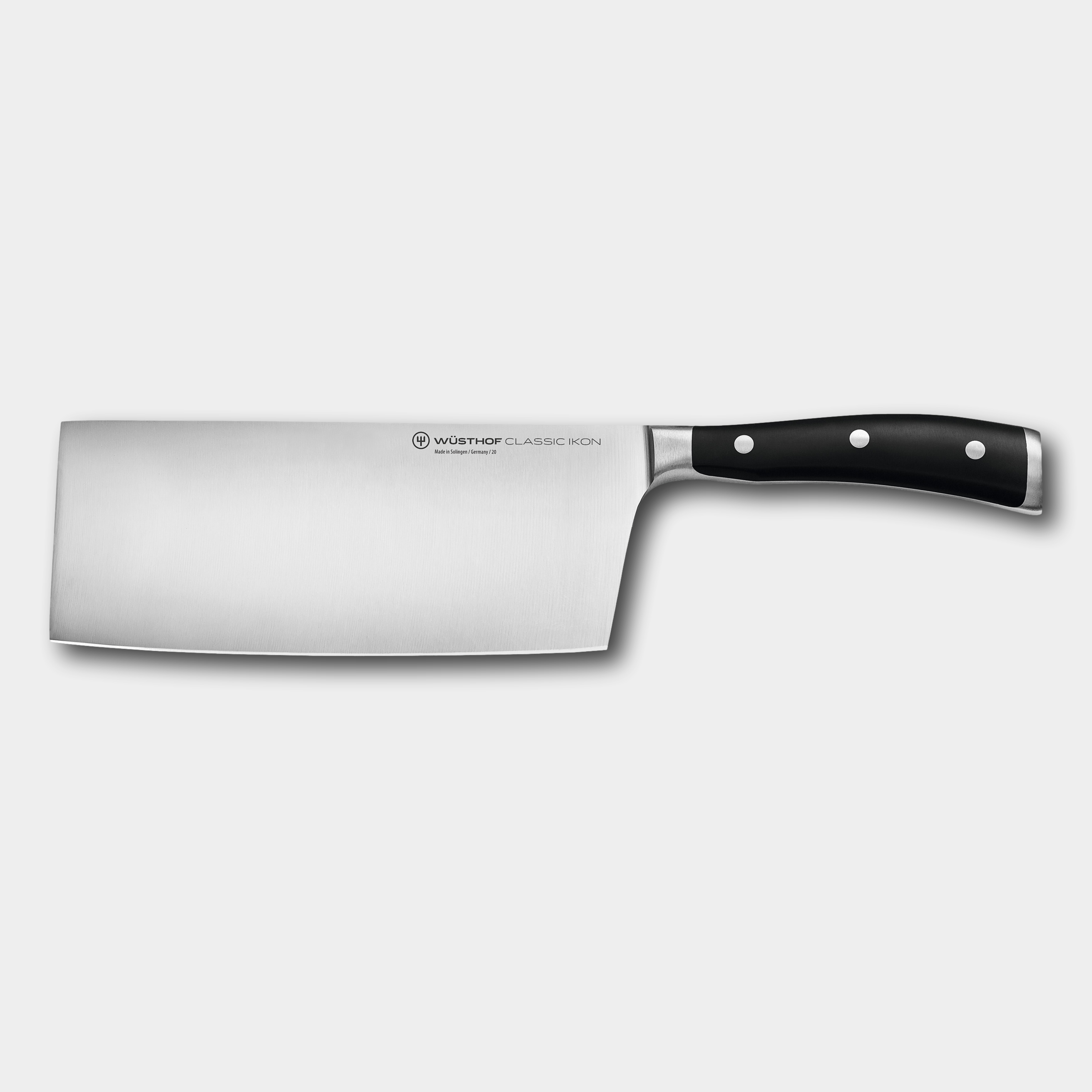
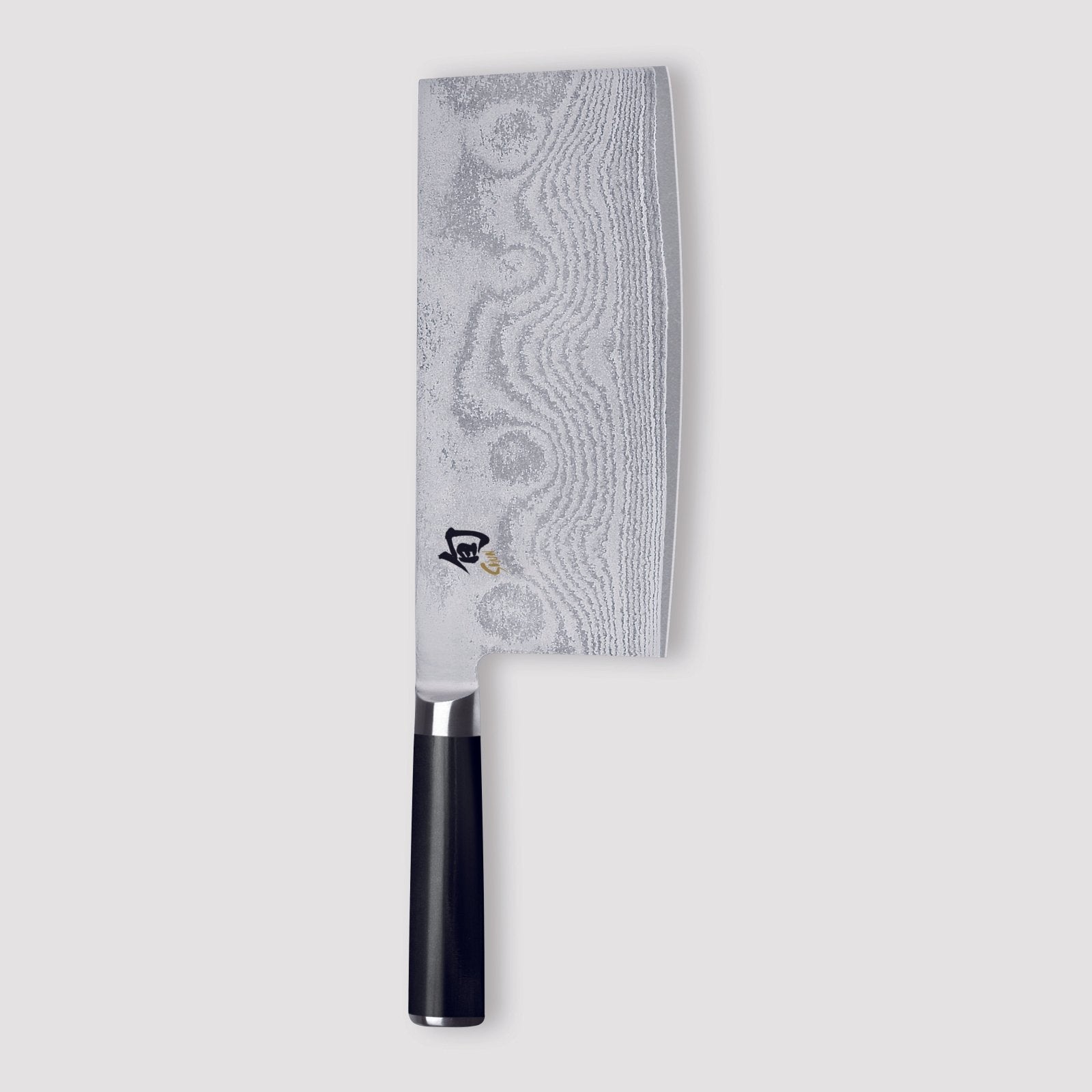
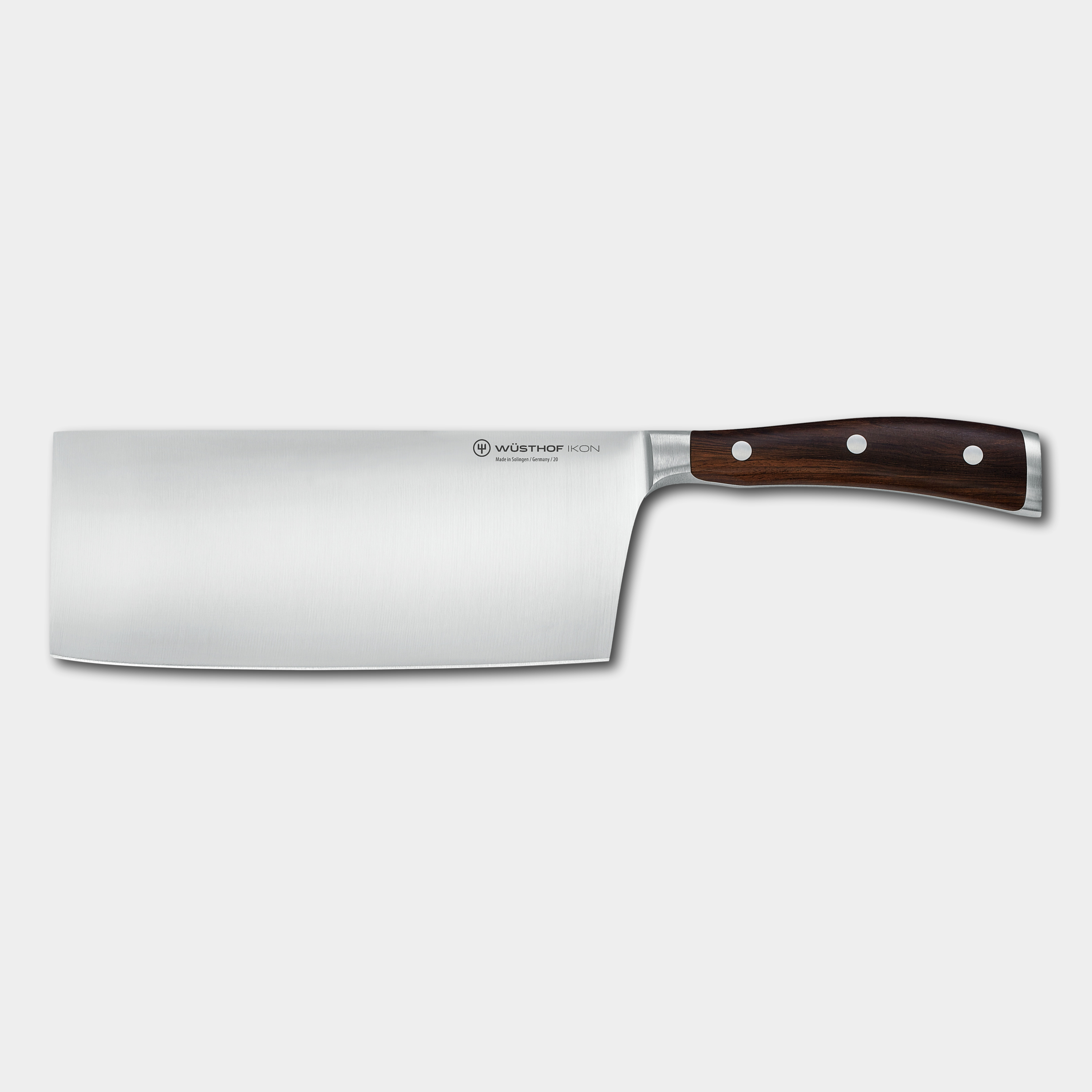


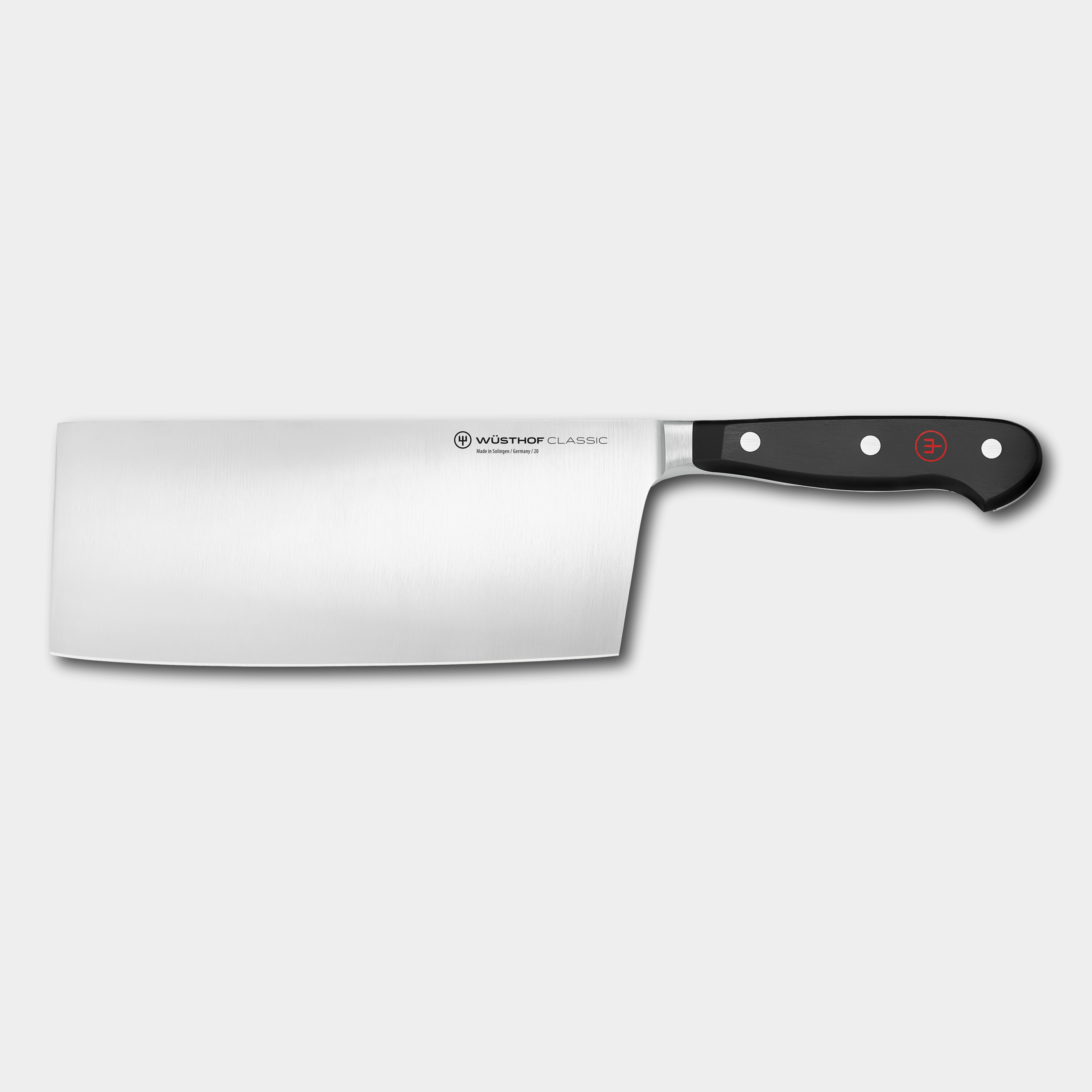
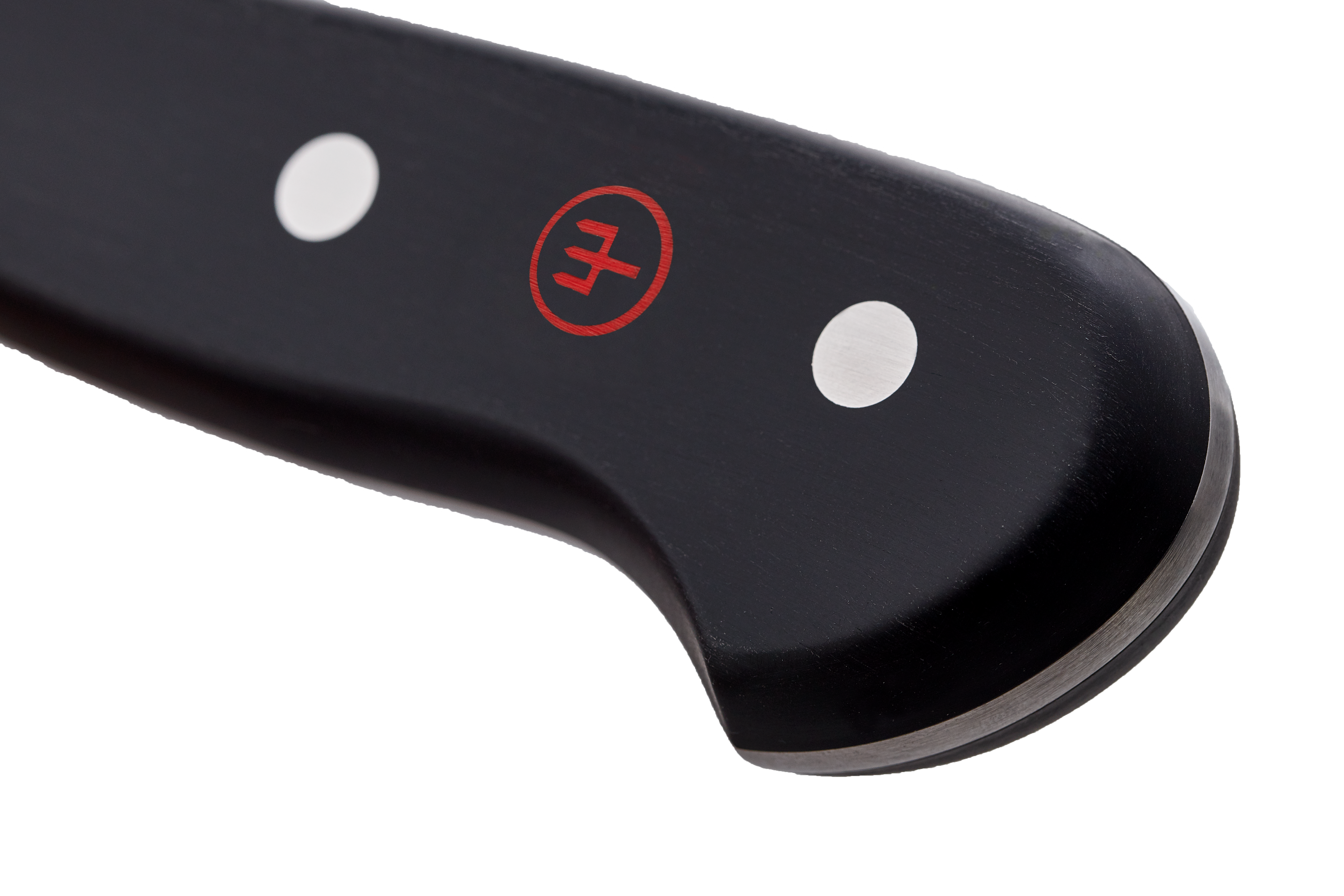
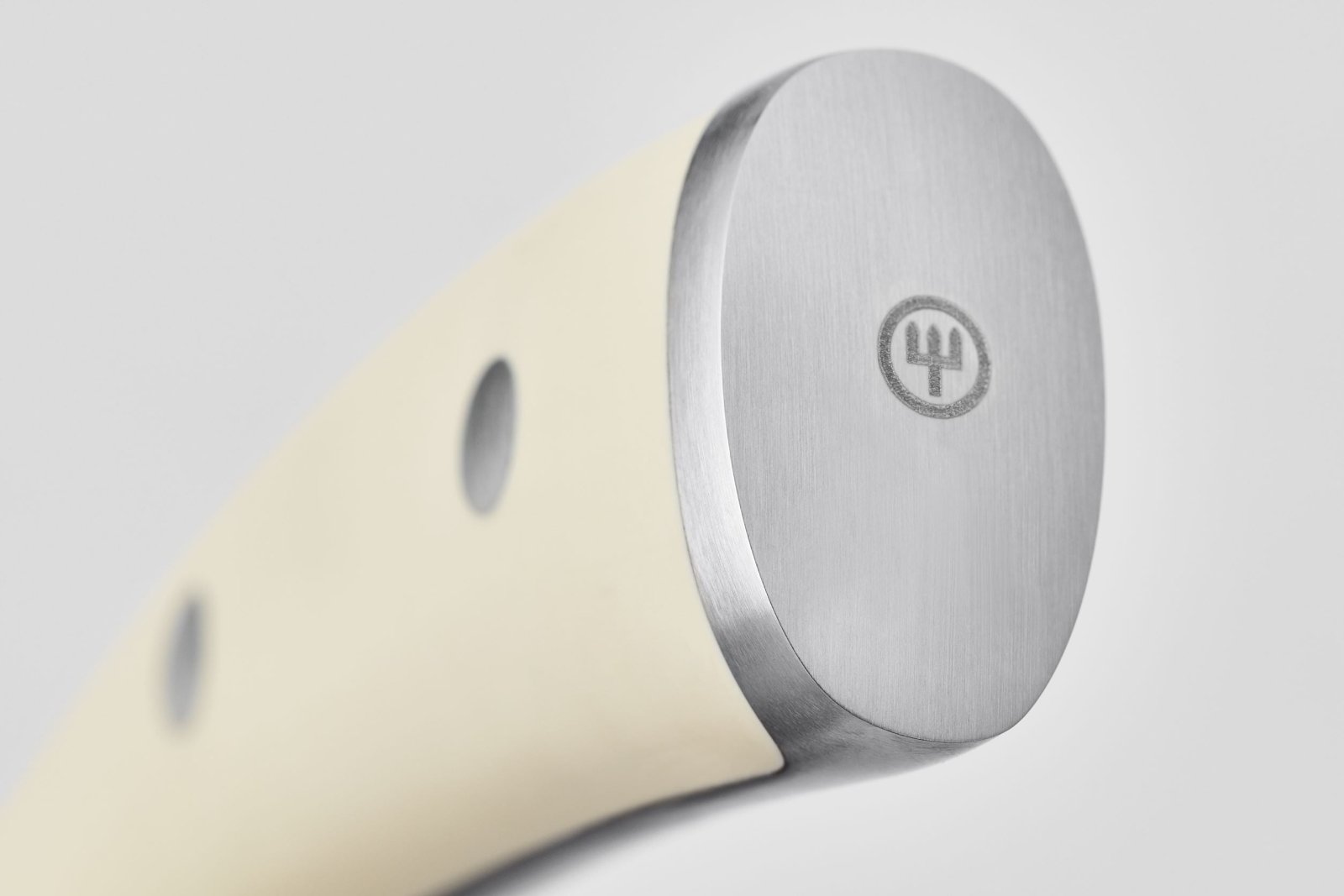
Wusathof Classic 17cm Chai Dao
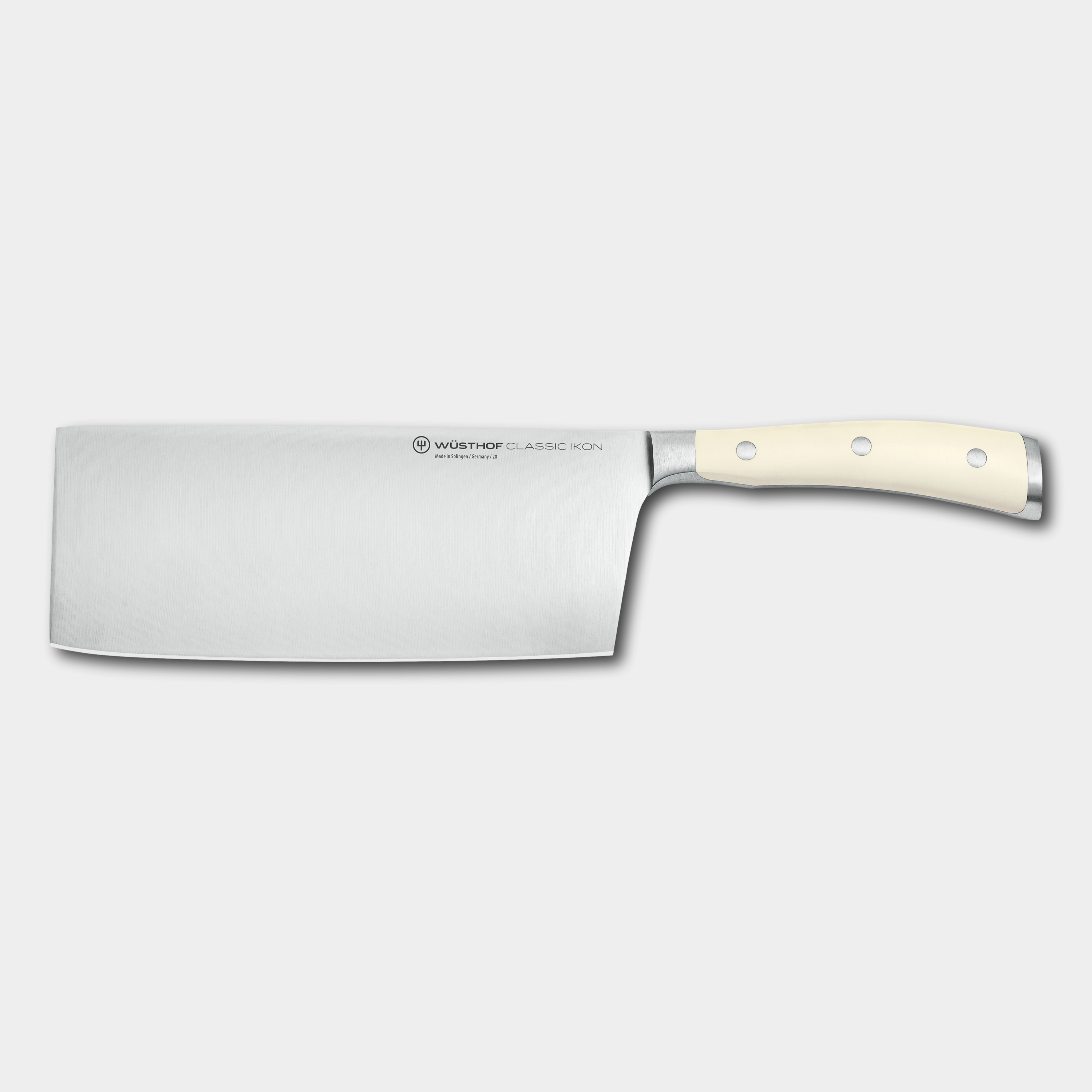
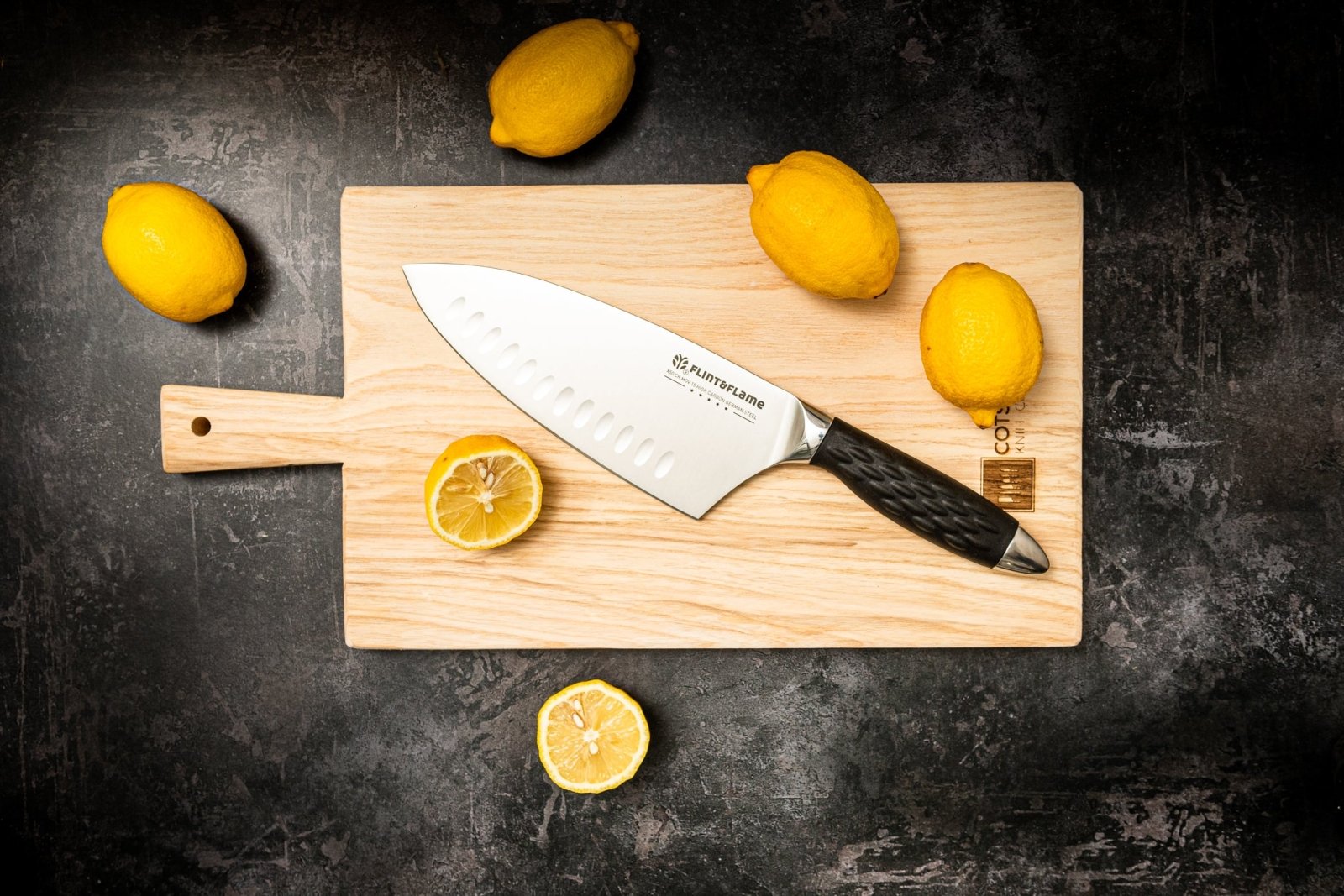
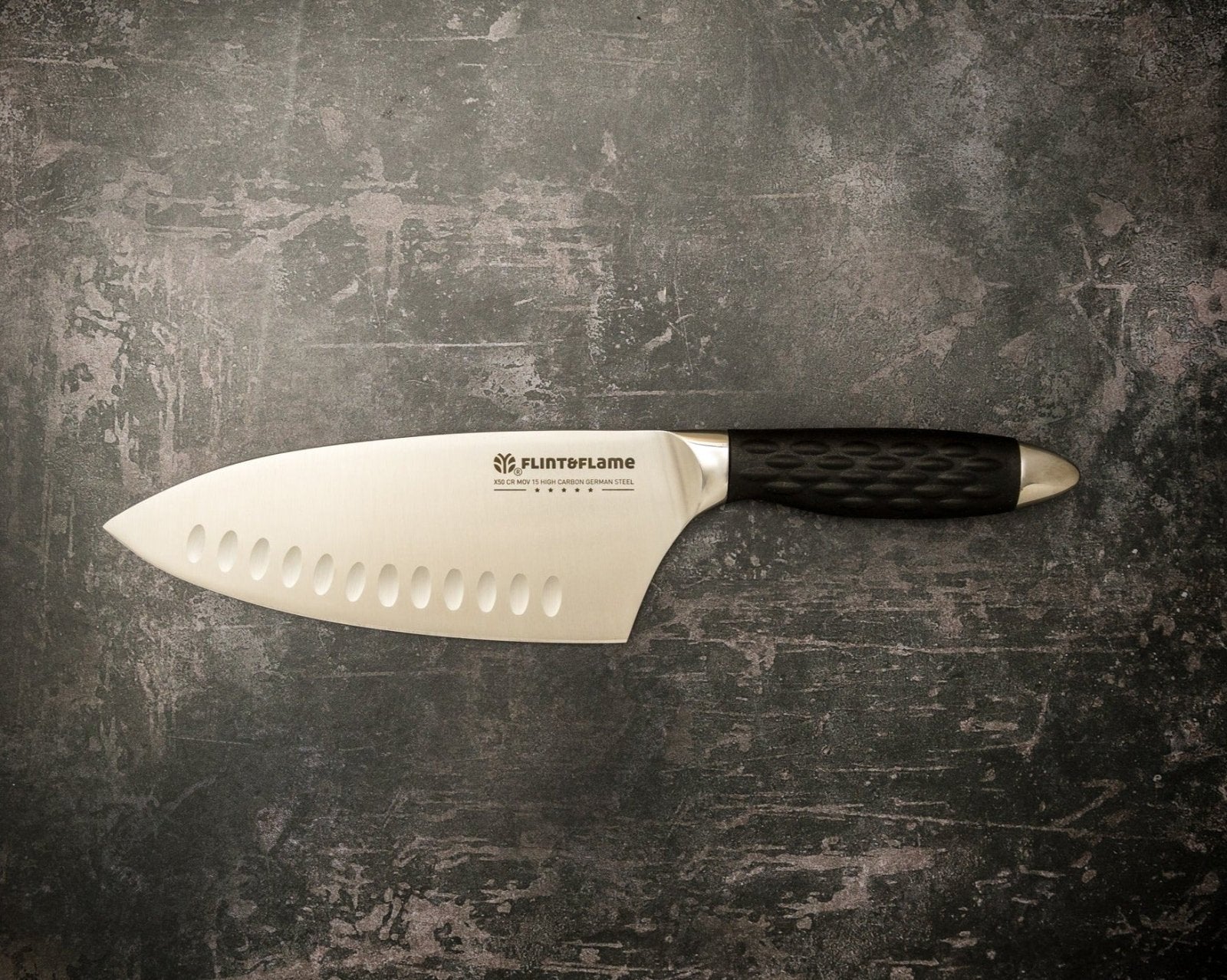
Flint & Flame Pro Series 7" Asian Cleaver
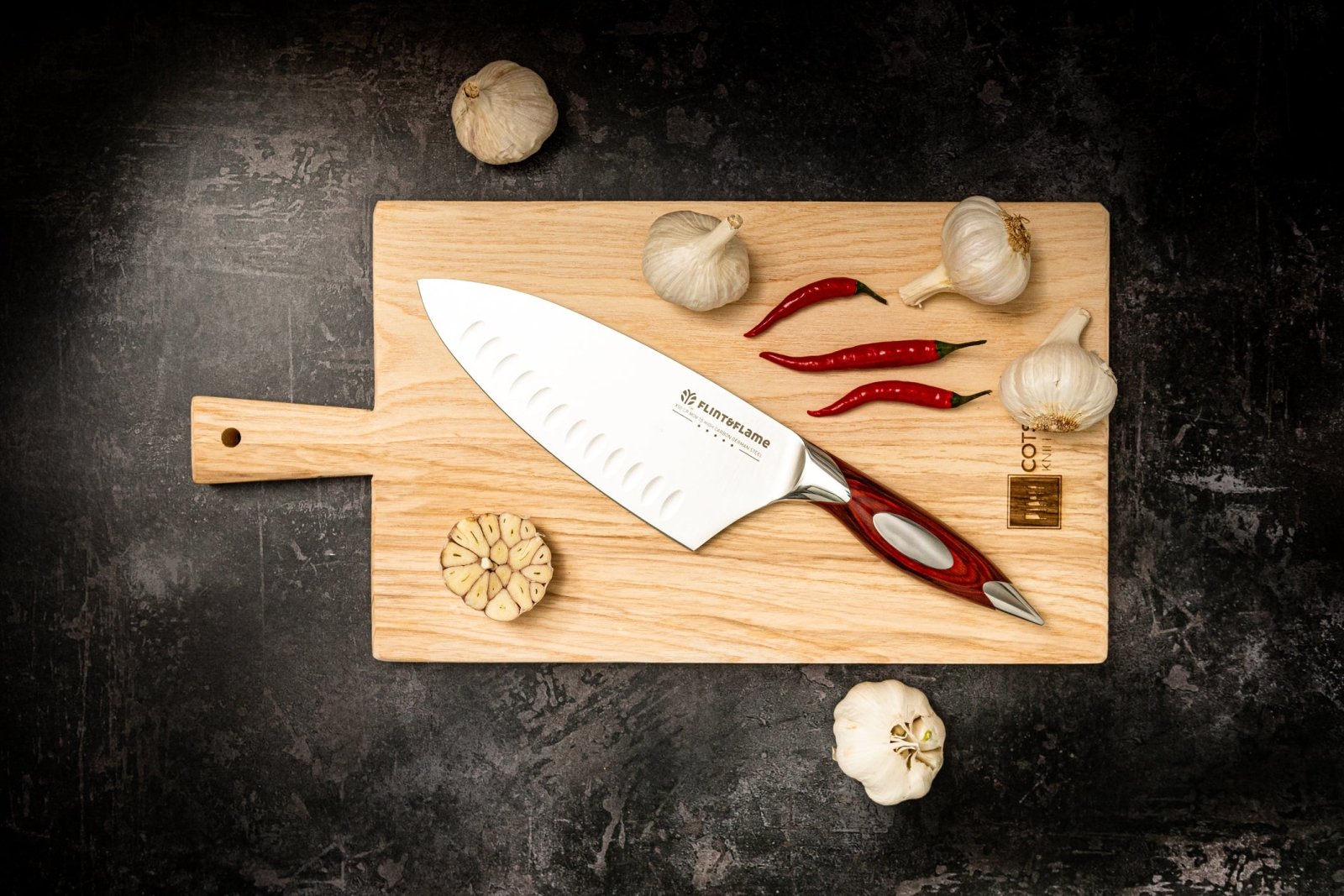
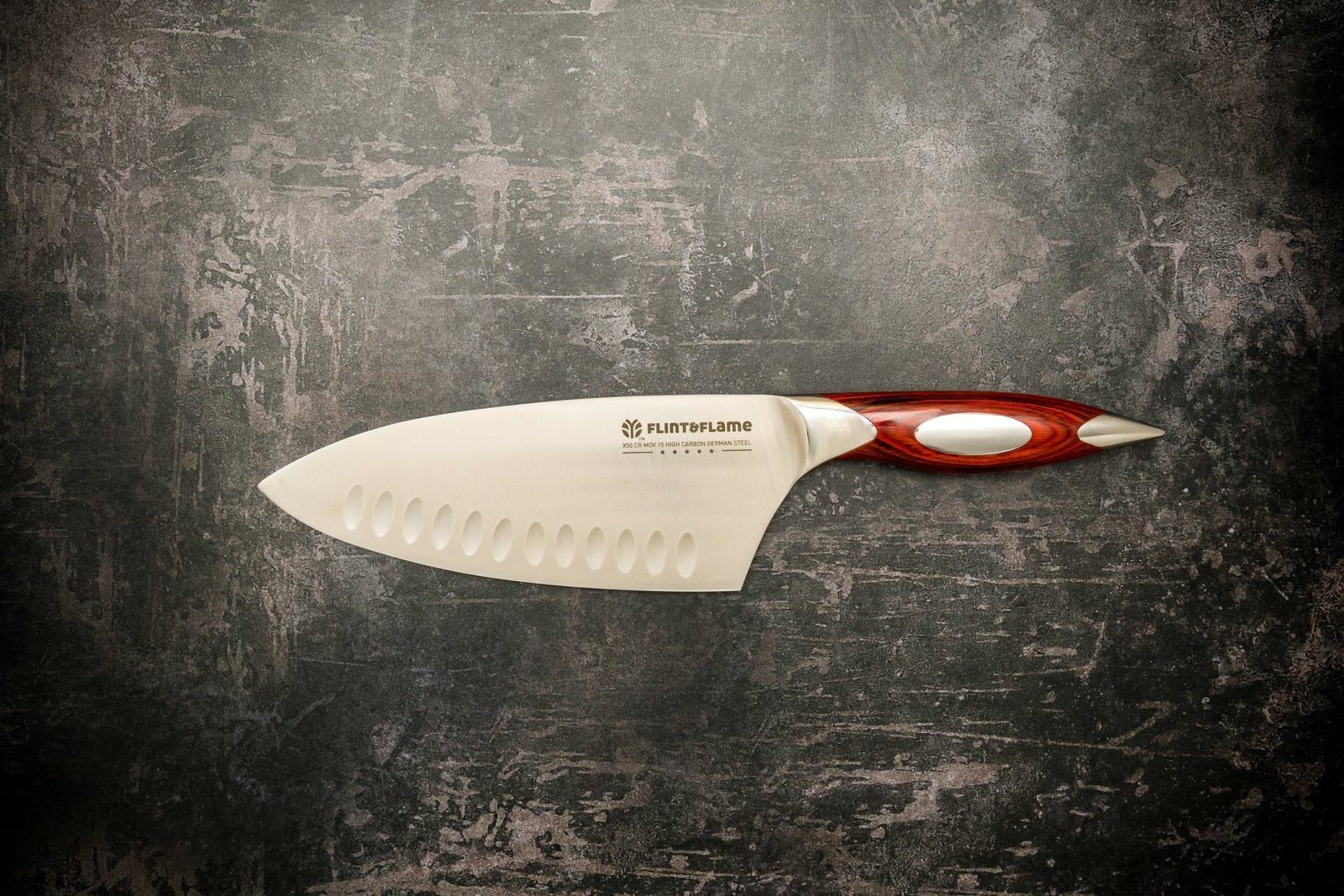
Flint and Flame 7 Inch Asian Cleaver
FAQs
Cleaver knives are versatile kitchen tools, primarily known for their ability to chop through tough meats, bones, and large vegetables with ease. The broad, heavy blade of a cleaver makes it ideal for tasks that require significant force, such as splitting poultry, breaking down large cuts of meat, and slicing through thick bones. They can also be used to chop vegetables with ease, however, for more precise chopping a smaller vegetable knife would be better suited.
Additionally, cleavers are useful for crushing ingredients like garlic or ginger with the flat side of the blade. The wide blade of the cleaver also allows for easy transfer of ingredients from chopping board to pan. Their durability and weight make them a must-have for both butchery and heavy-duty chopping in the kitchen.
The hole in some cleaver knives serves a practical purpose. It's primarily designed to make the knife easier to hang on a hook or peg for storage, which is particularly useful in busy kitchens or butcher shops where cleavers are used frequently. Additionally, the hole can also help with handling and control, especially when dealing with heavy-duty tasks like cutting through bones. By slipping a finger through the hole, a user can get better leverage and control over the large, heavy blade.
A Chinese chef knife, often called a Chinese cleaver, is usually much thinner, lighter and more precise than a traditional meat cleaver. Despite its large rectangular blade, it is designed for everyday prep tasks such as slicing vegetables, chopping herbs, cutting boneless meat and scooping ingredients from the board.
A traditional cleaver knife is heavier and thicker, with a tougher blade designed for more forceful chopping. It is better suited to butchery tasks, dense cuts of meat, cartilage and small bones.
In simple terms, a Chinese cleaver is closer to a chef’s knife in how it performs, while a traditional meat cleaver is built for heavy-duty chopping.
Maintaining your knives involves several essential practices to ensure they stay sharp, durable, and in top condition:
- Cleaning: Always wash your knives by hand with warm water and mild detergent immediately after use. It's important to avoid using the dishwasher, as the harsh environment can damage both the blade and the handle over time. After washing, dry the knives completely with a soft cloth to prevent any rust formation.
- Honing: Regular honing is key to keeping your knives sharp and maintaining their edge. Use a honing steel before or after each use to realign the blade's edge. Hold the steel vertically and gently slide the knife down and across the steel at a 20-degree angle.
- Sharpening: In addition to regular honing, your knives will need periodic sharpening, typically once or twice a year depending on how frequently you use them. You can sharpen your knives using a whetstone, a handheld sharpener, or opt for professional sharpening services.
- Storage: Proper storage is crucial for the longevity of your knives. Store your knives in a knife block, on a magnetic strip, or within protective sheaths. This not only prevents the blades from dulling but also helps avoid accidents. Storing knives in a drawer is not recommended, as they can easily get damaged.
- Cutting Surface: To maintain the sharpness of your knife edges, always use wooden or plastic cutting boards. Cutting on hard surfaces like glass, metal, or stone can quickly dull your knives.
- Avoid Misuse: Remember that these knives are specifically designed for cutting food. Avoid using them for any non-food related tasks, as this can damage the blade.
- Handle with Care: Always be mindful of the knife's balance and handle it with care. Avoid dropping or carelessly tossing your knives, as this can lead to damage to both the blade and the handle.
Shop at Cotswold Knife Company with confidence, knowing we are a verified stockist of all the knives we stock.